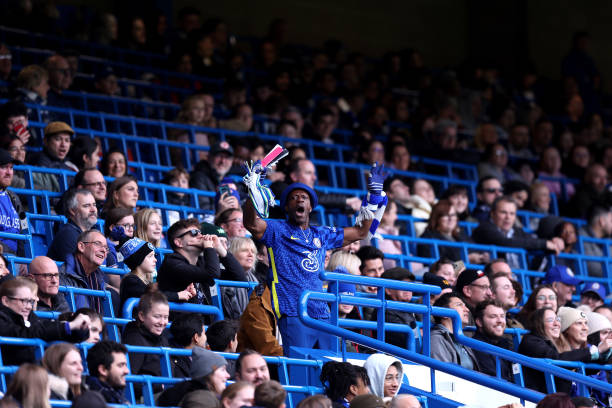
Sporting loyalty was after shaped by proximity. Lovers supported groups tied to their neighborhoods, workplaces, and households. Attendance was Bodily, rituals ended up shared, and allegiance felt permanent. Television and streaming disrupted this design, allowing for supporters to form attachments without having ever placing foot in the vicinity of a stadium. Geography stopped being a prerequisite for belonging. So, let's see how this operates nowadays, I am Guss Woltmann, sports journalist.
The Emergence from the “Plastic Admirer”
The determine with the “plastic lover” is an item of structural change instead of personal decision. Ordinarily, athletics fandom emerged from proximity: a stadium close by, a staff embedded in area society, and loyalty handed by people and neighborhoods. Guidance was fewer a call than an inheritance. The trendy “plastic supporter” breaks from this design, forming allegiance with no geographic, social, or historical obligation.
Mass media is the main catalyst. Satellite television, streaming platforms, and social media have removed boundaries to entry. A supporter can now observe a club in minute detail—matches, coaching footage, press conferences, tactical breakdowns—regardless of location. Publicity breeds familiarity, and familiarity fosters psychological attachment. For several supporters, especially in locations with minimal coverage of domestic leagues, worldwide clubs are simply just additional seen and narratively compelling.
Success also performs a central position. Very competitive leagues and elite groups dominate consideration via trophies, star gamers, and frequent media amplification. Supporting these kinds of clubs provides a shared world-wide conversation and a way of belonging to one thing culturally related. This dynamic encourages fluid loyalty, where by allegiance aligns with effectiveness, prestige, or individual gamers as opposed to institutional continuity.
The term “plastic” indicates artificiality or opportunism, however this criticism normally overlooks generational context. More youthful fans improve up in an ecosystem in which global alternative is typical. They are really accustomed to deciding on identities—musical flavor, trend, online communities—determined by affinity instead of inheritance. Athletics fandom increasingly follows the exact same logic. Loyalty gets to be elective, curated, and strengthened digitally.
Star gamers more speed up this shift. Modern day athletes are models in their particular ideal, cultivating private followings that go with them across clubs and leagues. Admirers could guidance a team principally simply because a favourite participant wears its colors, redefining loyalty as player-centric in lieu of club-centric. This was once uncommon; now it truly is plan.
The emergence from the plastic admirer, then, displays a broader transformation in how id is built within a globalized earth. It is actually much less about betrayal of tradition and more about the erosion of structural ailments that when enforced local loyalty. The controversy surrounding plastic supporters eventually reveals soreness using this type of changeover—between fandom as rooted obligation and fandom as selected affiliation.
As opposed to dismissing plastic enthusiasts as illegitimate, the greater pressing concern is how modern-day Activity can reconcile world engagement While using the preservation of local which means.
Clubs as International Brand names
The transformation of football clubs into international brand names marks Just about the most consequential shifts in modern day sport. As soon as defined primarily by locality, community ties, and aggressive id, elite golf equipment now function as multinational enjoyment entities. Their achievement depends don't just on success over the pitch, but on visibility, marketability, and world wide resonance.
Broadcasting profits accelerated this variation. Worldwide television promotions and electronic streaming turned domestic leagues into around the world items, incentivizing clubs to cultivate audiences considerably outside of their property metropolitan areas. Matches became written content optimized for world intake, with kickoff instances adjusted for overseas markets and storytelling tailored to Intercontinental viewers. Regional supporters remained crucial, but no longer central to money survival.
Branding approaches followed. Club crests progressed into logos, historical past into narrative assets, and custom into aesthetic worth. Social media marketing platforms remodeled groups into frequent presences in supporters’ daily life, providing at the rear of-the-scenes accessibility, individualized engagement, and simplified mythology. Clubs now communicate like Life style brands, providing not only soccer, but identity.
Merchandising reinforces this change. Jerseys are designed for world wide attraction, unveiled in frequent cycles, and promoted through vogue and celebrity lifestyle. For many supporters, getting merchandise will become the primary expression of loyalty, changing match attendance or local ritual. The club exists being a image as opposed to a shared Actual physical encounter.
Star gamers sit at the center of the branding ecosystem. Elite athletes attract followers who could have minimal attachment for the club by itself. Advertising progressively highlights unique personalities, social networking access, and global recognizability. When players transfer, they typically have parts from the fanbase with them, even more weakening the permanence of club-centered loyalty.
This international branding approach is commercially productive but culturally destabilizing. As golf equipment scale outward, local identity pitfalls dilution. Ticket selling prices increase, stadiums prioritize broadcast spectacle, and long-phrase supporters come to feel displaced by transient audiences. The club results in being everywhere and nowhere—globally accessible, nevertheless domestically abstracted.
Golf equipment as global brand names are usually not inherently hollow, but they need trade-offs. The problem lies in balancing industrial growth with cultural grounding. With no deliberate exertion to maintain area meaning, international achievement hazards eroding the incredibly foundations that once gave clubs their emotional energy.
Tension with Conventional Supporters
The global expansion of football has created a growing rift between golf equipment as well as their common supporter bases. For many years, regional lovers have been not only shoppers but individuals—shaping atmosphere, sustaining golf equipment by very poor seasons, and embedding them in Neighborhood existence. As clubs scale into world makes, quite a few of those supporters really feel increasingly marginalized.
One of the more obvious points of tension is entry. Climbing ticket costs, pushed by Global need and commercial tactic, press lengthy-time period enthusiasts out of stadiums they at the time regarded communal spaces. Time tickets grow to be luxury objects, and matchday attendance shifts from regimen ritual to occasional party. The stadium, after a gathering spot for nearby id, turns into a quality amusement location.
Scheduling even more reinforces this alienation. Kickoff times are commonly adjusted to go well with international tv markets, disrupting regional travel, operate patterns, and prolonged-standing traditions. Matches performed at inconvenient hours sign a shift in priorities—from serving the area people to maximizing world viewership.
Cultural displacement is equally major. Conventional supporters normally feel that club narratives are rewritten for world wide audiences, flattening regional background and rivalries into simplified storylines. Tracks, banners, and rituals that when defined supporter lifestyle risk getting addressed as background aesthetics as an alternative to central expressions of id.
There's also resentment towards perceived “plastic” fandom. Area supporters might look at global supporters as opportunistic, missing historic determination and accountability in the course of intervals of failure. This notion intensifies when golf equipment prioritize international markets even though showing up indifferent to local issues.
Through the club’s standpoint, global growth is usually framed as necessity in lieu of preference. Financial competitiveness in contemporary football needs expanded website profits streams. Still this logic does minimal to relieve psychological decline. For traditional supporters, the issue just isn't opposition to new supporters, but dread of erasure.
The stress, then, will not be simply just generational or geographic—it is structural. It reflects conflicting definitions of what a club is: a community institution or a world product. Reconciling these identities continues to be one of the central challenges facing modern sport.
What Is Lost - and What Continues to be
As area loyalty weakens and world fandom expands, soccer loses a thing challenging to quantify but deeply felt: embeddedness. Clubs as soon as functioned as social anchors, binding neighborhoods, workplaces, and generations via shared allegiance. Matchdays structured nearby life, and loyalty endured regardless of success. When that grounding erodes, golf equipment chance getting to be culturally weightless—recognizable just about everywhere, but rooted nowhere.
What exactly is lost first is continuity. Area fandom carried memory: relegations survived jointly, rivalries accrued meaning, and id deepened by way of extended-term financial investment. Globalized assist, by contrast, normally facilities around the existing—recent stars, current success, frequent novelty. The past results in being branding content instead of lived working experience. Loyalty grows thinner when it truly is no longer analyzed by failure.
Communal ritual also fades. Pubs, streets, and stadium routines when bolstered belonging by means of repetition and shared hardship. As attendance declines or becomes extra transient, Individuals rituals fragment. Ambiance is taken care of, but it's more and more staged—suitable for broadcast as opposed to organically made by a stable supporter foundation.
Yet not almost everything disappears. Global fandom introduces new kinds of engagement that are intensive, educated, and sincere. A lot of distant supporters study club historical past, abide by youth teams, examine practices, and make investments emotionally throughout seasons. Their relationship is selected in lieu of inherited, but it can be sturdy. The idea that locality assures authenticity no longer holds.
What stays, much too, will be the symbolic electricity of your club. Colors, crests, and narratives nevertheless have this means, even if they circulate in different ways. The psychological demand of soccer survives because the sport by itself retains uncertainty, drama, and collective practical experience—irrespective of whether inside a stadium or across a digital network.
The future of loyalty will probable be hybrid. Area and global attachments will coexist, occasionally uneasily. The activity is just not to revive a earlier that no more suits fashionable conditions, but to guard depth inside of growth—to make certain that progress isn't going to hollow out indicating. What stays will rely upon no matter if golf equipment take care of loyalty for a source to extract or possibly a romantic relationship to maintain.
Reimagining Loyalty in the Submit-Neighborhood Era
The erosion of conventional nearby loyalty doesn't mean loyalty alone is disappearing; it is actually staying reconfigured. As soccer adapts to worldwide audiences, the notion of allegiance should evolve beyond geography without getting weightless. This changeover provides each risk and option for golf equipment, supporters, as well as the cultural meaning of Activity.
Historically, loyalty was enforced by limitation. You supported the club you can reach, listen to about, and increase up about. Choice was small, and dedication was reinforced by shared hardship. Currently, abundance replaces limitation. Enthusiasts can adhere to various leagues, groups, and players at the same time. Loyalty turns into selective rather than exceptional, shaped by narrative, sort of Engage in, values, or person relationship.
This shift worries clubs to actively cultivate this means. Loyalty can not be assumed; it must be acquired and maintained. Golf equipment that rely only on success or star ability threat building fragile fanbases that dissolve when final results drop. By contrast, the ones that communicate values, heritage, and social responsibility can foster further attachment, even among the distant supporters.
Engineering features resources for this reconstruction. Electronic platforms can educate new supporters about club heritage, rivalries, and supporter society instead of flattening them into internet marketing slogans. When utilized thoughtfully, world-wide reach can amplify neighborhood tales instead of erasing them. The Hazard lies in cutting down id to material metrics in lieu of cultural continuity.
Crucially, reimagined loyalty must nevertheless regard area supporters. International growth mustn't occur at the expense of accessibility, representation, or voice for individuals who sustain golf equipment bodily and Traditionally. Lover consultation, inexpensive ticketing tiers, and safety of supporter traditions sign that locality however issues, even in a world ecosystem.
What emerges is a layered model of fandom. Neighborhood supporters give continuity, ambiance, and cultural grounding. World fans contribute scale, diversity, and economic sustainability. Loyalty gets to be plural as opposed to singular.
In this particular article-community period, the Dying of common loyalty is not really inescapable. What is at stake is whether or not loyalty continues to be significant or results in being interchangeable. The way forward for soccer will depend on integrating world wide advancement with cultural depth—making sure that whilst clubs belong to the entire world, they in no way completely cease belonging to somewhere.
Conclusion
The increase of worldwide fandom has remodeled loyalty from inherited obligation into picked affiliation. While this shift weakens local rituals and continuity, it doesn't do away with significant attachment. Football now exists in between place and System, Local community and usage.
The challenge is equilibrium: preserving depth, memory, and accessibility though embracing world wide get to. Clubs that treat loyalty to be a romance—as an alternative to a industry—can sustain both of those community roots and worldwide resonance. The future of fandom won't be outlined by where supporters are, but by how deliberately clubs protect indicating inside of expansion.